What to know about Lewisham Council rules for Forest Hill gardens
If you own, rent, manage, or help maintain a garden in Forest Hill, the rules can feel a bit tangled at first. One minute you're thinking about hedge heights and leaf clearance, the next you're wondering whether a shed, fence, dropped kerb, or overgrown tree might need permission or a closer look. That is exactly why understanding What to know about Lewisham Council rules for Forest Hill gardens matters: it helps you avoid nuisance complaints, planning headaches, and expensive rework.
In practice, most garden jobs in Forest Hill are straightforward. But some sit right on the edge of council control, lease obligations, neighbour rights, or general UK planning rules. This guide breaks the topic down in plain English, with practical examples, common mistakes, and the sort of details that usually get missed until someone is already halfway through a project. Truth be told, that is when things get awkward.
Whether you are tidying a small rear garden off a terraced house, reworking a front boundary, or planning a bigger outdoor transformation, you will find clear guidance here. And if you also need broader property support around the area, it can help to look at related pages such as our Forest Hill gardening services, garden clearance, or hedge cutting and shaping for the kind of practical work that often sits alongside compliance questions.
Table of Contents
- Why these council rules matter in Forest Hill
- How Lewisham Council rules typically work
- Key benefits and practical advantages
- Who needs this guidance and when it makes sense
- Step-by-step guidance
- Expert tips for better results
- Common mistakes to avoid
- Tools, resources and recommendations
- Law, compliance, standards, and best practice
- Options, methods, and comparison table
- Case study / real-world example
- Practical checklist
- Conclusion
- Frequently asked questions
Why What to know about Lewisham Council rules for Forest Hill gardens Matters
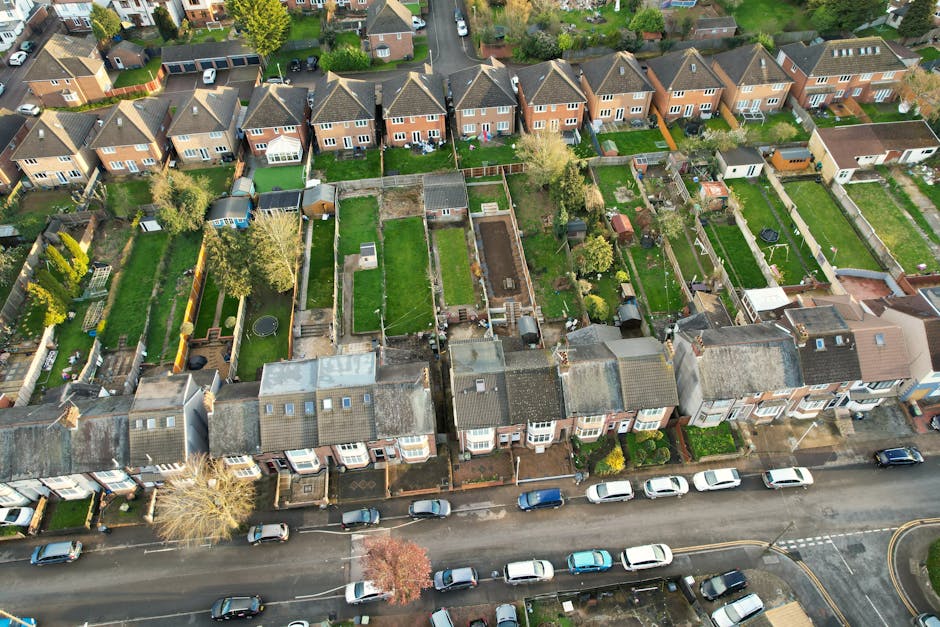
Forest Hill gardens are a mix of compact urban plots, mature back gardens, front forecourts, shared access routes, and older properties that can have slightly awkward boundaries. That mix is lovely, but it also means garden work is not always "just gardening". A new fence can affect sightlines, a tree may be protected, a front drive may involve drainage or access issues, and noise from weekend work can annoy nearby residents. In a place like Forest Hill, little details matter.
Lewisham Council's role is not to micromanage every flowerbed. It is to manage planning, highways, trees, waste, nuisance, and environmental issues where necessary. So if you are changing the layout of a garden, removing material, installing structures, or dealing with overgrowth, the council rules can come into play sooner than you think. A simple tidy-up is one thing. A garden remodel is another.
There is also the neighbour angle. Garden disputes are often not dramatic at first. They start with overhanging branches, a pile of cuttings, a fence line, or a hedge that blocks light. Then a few emails later, everyone is suddenly talking about boundaries and "who said what". A clear understanding of the local rules can keep all that from escalating. And let's face it, nobody enjoys that sort of summer.
If you are trying to improve your property rather than argue about it, a little knowledge goes a long way. It helps you plan work in the right order, budget properly, and decide whether you need professional help. For larger tidy-ups, you may also want to explore regular garden maintenance so the space stays manageable after the initial work is done.
How What to know about Lewisham Council rules for Forest Hill gardens Works
The simplest way to think about it is this: different parts of garden work fall under different rules. Some tasks are entirely routine. Others may be controlled by planning rules, tree protections, property covenants, lease conditions, or environmental requirements. The council does not treat every garden change the same way, and that is where people sometimes get caught out.
Here are the main areas that typically matter:
- Planning considerations for sheds, outbuildings, decking, hardstanding, boundary structures, and bigger alterations.
- Tree protection where a tree is subject to a Tree Preservation Order or sits in a conservation context.
- Waste and disposal expectations for green waste, bulky materials, and clear-up after a job.
- Highways and access where a garden project affects a pavement, dropped kerb, verge, or visibility.
- Neighbour and nuisance issues such as overhanging branches, roots, hedge disputes, or untidy storage.
The practical takeaway is that you should not assume a garden job is automatically exempt just because it is outside the house. Some projects are fine as long as they stay within size, height, location, and use limits. Others need more care. If you are unsure, it is usually safer to slow down and check before work starts rather than after a skip is already outside and full of rubble.
For example, replacing a tired fence panel after a storm is typically straightforward. Building a substantial new garden room at the back of a narrow plot is more likely to need checks on size, positioning, and whether the structure counts as permitted development. Small difference. Big consequence.
In our experience, the best outcomes come from treating the garden as part of the whole property rather than as a separate patch of land. That mindset helps you think about drainage, light, access, storage, neighbours, and future maintenance all at once.
Key Benefits and Practical Advantages
Understanding the rules is not just about avoiding trouble. It also makes garden projects cleaner, safer, and easier to finish well. The benefits are practical, not abstract.
- Fewer delays: You can avoid stopping work halfway because a check or permission was missed.
- Lower risk of complaints: Well-planned work is less likely to trigger neighbour disputes or council involvement.
- Better value: If you are paying for labour and materials, you want the job done once, not redone.
- Safer gardens: Properly handled trees, fences, paths, and waste reduce trip hazards and damage.
- Stronger property presentation: A tidy, compliant garden tends to look cared for, which matters in Forest Hill's competitive housing market.
There is also a quieter benefit: peace of mind. When you know where you stand, you can make decisions without second-guessing every minor change. Should you remove that old shrub? Probably yes. Should you build a tall structure near the boundary? That needs more thought. The rules give you a framework instead of guesswork.
For many homeowners, a garden is a long-term project, not a one-off event. That is why combining the initial work with lawn care or ongoing upkeep can be smarter than doing a single big clear-out and hoping the space stays neat on its own. Gardens have a funny way of growing back, don't they?
Who This Is For and When It Makes Sense
This guidance is useful for a wide range of people in Forest Hill, not just homeowners with large plots. To be fair, some of the most common questions come from people with small gardens, because the space constraints make every decision more noticeable.
- Homeowners planning fencing, pruning, landscaping, or a garden build.
- Tenants trying to understand what they can do without breaching a tenancy agreement.
- Landlords managing a rental property with overgrowth, boundary disputes, or neglected outside space.
- Leaseholders who may need to check freeholder or building management permissions as well as council rules.
- Gardeners and contractors who want to carry out work safely and avoid accidental non-compliance.
- New residents who have just moved into the area and are discovering the property's quirks in real time.
It makes sense to pay closer attention when your project involves any of the following:
- tree removal or major pruning
- a new wall, fence, gate, or boundary treatment
- hard landscaping, paving, or drainage changes
- structures such as sheds, studios, or garden offices
- skip placement or material storage near a highway
- work that may affect neighbours' light, access, or privacy
If your plan is simple - trimming, weeding, mowing, clearing, seasonal tidying - you will usually have fewer formal hurdles. If it is a bigger transformation, it pays to slow down and check the moving parts. The phrase "better safe than sorry" gets overused, but here it actually fits.
Step-by-Step Guidance
Here is a sensible way to approach a Forest Hill garden project where Lewisham Council rules might matter. It keeps the process tidy and helps you avoid expensive backtracking.
- Define the job clearly. Write down exactly what you want to change: trees, fences, access, paving, planting, or structures. Vague plans create vague problems.
- Check whether the property has special constraints. Consider whether it is leasehold, in a conservation context, next to a shared boundary, or affected by protected trees.
- Measure the space. Height, width, depth, and distance from boundaries can all matter. A tape measure now can save a headache later.
- Think about waste and access. Where will cuttings, soil, rubble, or old timber go? Can a vehicle or skip safely access the site?
- Consider neighbour impact. Will work block light, create noise, or affect shared access? If so, a quick conversation may prevent a long-running issue.
- Check whether permissions or approvals may be needed. For larger changes, do not rely on guesswork. Look at the overall project rather than just one part of it.
- Plan the order of work. For example, deal with pruning and clearance before hard landscaping. It is much easier that way. Much easier.
- Use a competent contractor if needed. A professional should know the practical limitations and will usually spot issues before they become expensive.
- Keep records. Save quotes, messages, measurements, and any approvals or confirmations you receive. Simple habit, big payoff.
If your garden work is being done by a contractor, make sure they understand both the layout and the local constraints. A good team will ask questions that sound almost annoyingly detailed at first - about access, tree roots, and boundary lines - but those questions are a good sign, not a bad one.
For jobs that involve a lot of cuttings or a full reset of the space, a proper garden clearance service can reduce the risk of clutter, unsafe stacking, or missed waste handling. That is especially useful where a garden has been ignored for a season or two and is now, frankly, a bit of a jungle.
Expert Tips for Better Results
Small decisions make a large difference in garden projects. These are the habits that tend to save time, reduce friction, and make the finished result feel more settled.
- Work from the boundary inward. Start by checking fences, hedges, and access points before you focus on planting or decoration.
- Prune with the future in mind. A quick trim can be enough, but heavy cutting done without a plan often creates regrowth problems.
- Choose materials that suit the property. Heavy paving, tall timber, or reflective finishes can change how a garden feels and may raise practical concerns.
- Keep drainage in view. Even small changes to levels or surfaces can send water in the wrong direction after a wet spell. Classic London problem, really.
- Use plant choices that fit the maintenance level you can actually sustain. If you want low effort, do not build a garden that needs weekly micromanagement.
- Do a seasonal review. Spring and early autumn are good times to reassess trees, borders, and boundary plants before they become an issue.
A useful rule of thumb: if a change affects how the garden behaves, not just how it looks, it deserves extra thought. That includes runoff, shade, root spread, and where waste ends up. Looks matter, of course, but function is what keeps a garden livable.
One small, very real-world tip: if you are working near a hedge or fence line and it is already damp from a grey morning, pause before cutting too much. Wet branches, slippery ground, and limited visibility are a poor combination. The job can wait an hour. Your back will thank you.
Common Mistakes to Avoid
Most garden problems are not dramatic. They are the result of moving too quickly or assuming the rules are simpler than they are. Here are the mistakes that cause the most unnecessary trouble.
- Assuming every garden structure is automatically allowed. Sheds, offices, and enclosures can be fine, but size and placement still matter.
- Ignoring boundary ownership. "It looks like ours" is not the same thing as knowing the legal line.
- Removing a tree without checking protections. If a tree is protected or otherwise sensitive, that is a serious issue.
- Dumping waste without a proper plan. Garden debris, soil, timber, and old fixtures all need suitable handling.
- Letting work drift into neighbour space. Overhanging branches and shared access routes can create avoidable conflict.
- Forgetting about water. A new surface can look smart and still create drainage problems.
- Skipping records. If there is ever a query, "I think we checked that" is weaker than having the message saved.
Another common misstep is starting with aesthetics before safety. It is tempting. Everyone wants the nice-looking bit first. But if the old fence is unstable or the site access is tight, sort those pieces before you get carried away with planting palettes and decorative edging.
And yes, sometimes the mistake is simply doing too much in one go. A phased approach can be calmer, cheaper, and easier to manage. Not glamorous, maybe. Effective, definitely.
Tools, Resources and Recommendations
You do not need a mountain of equipment to handle garden compliance sensibly, but a few tools and records make life much easier.
| Tool or resource | Why it helps | Best used for |
|---|---|---|
| Tape measure | Checks heights, widths, and distances from boundaries | Fences, sheds, garden offices, paving layouts |
| Site photos | Creates a simple record of existing conditions | Before-and-after planning, neighbour discussions |
| Property paperwork | Helps identify lease conditions or boundary notes | Leaseholds, management areas, shared access |
| Project notes | Keeps track of decisions, measurements, and approvals | Any change that might need later reference |
| Professional garden support | Brings practical experience to the job | Clearance, pruning, maintenance, and larger works |
If you are weighing up whether to do a project yourself or bring in help, think about the likely consequences of getting it wrong. A minor planting job? Usually a safe DIY choice. A large boundary change or overgrown site clearance with awkward access? That may be better handled by someone who deals with these situations regularly.
For more ongoing upkeep, the full range of garden services can be useful when you want one team to handle different stages of a project instead of juggling several separate jobs. If you are trying to make the garden easier to live with rather than merely prettier for a week or two, that joined-up approach often works best.
Law, Compliance, Standards, and Best Practice
This is the section where careful wording matters. Garden rules can involve planning law, property rights, local authority processes, tenancy terms, freeholder requirements, and accepted horticultural practice. The exact position depends on the property and the work being proposed, so it is wise not to treat any single rule as universal.
Here is the sensible broad picture:
- Planning controls may apply to certain structures, boundary works, or major alterations.
- Tree protections can restrict cutting, topping, lopping, or removal in some situations.
- Lease and tenancy obligations may be stricter than the council rules themselves.
- Nuisance and neighbour law can come into play where hedges, waste, noise, or access affect others.
- Health and safety practice matters on-site, especially for clearance, pruning, and heavy materials.
Best practice usually means doing three things well: checking before you start, documenting what you agree, and keeping the site safe and tidy. That last bit may sound basic, but it is often where standards slip. A rushed garden job can leave hidden trip hazards, loose panels, or waste stacked in a way that creates real problems later.
If you are handling a garden that has become heavily overgrown, it is also worth remembering that clearance work should be planned, not just attacked with enthusiasm. There may be nesting birds, hidden rubbish, unstable surfaces, or old structures under the foliage. Sometimes the green stuff is the easy bit.
Professional teams working in this space should understand local expectations around access, waste handling, and care for neighbouring properties. If you need support with the practical side, tree work and hedge cutting are often the services most closely tied to rule-sensitive garden maintenance.
Options, Methods, or Comparison Table
Not every garden issue needs the same approach. The right method depends on how big the job is, how sensitive the site feels, and how much uncertainty is involved.
| Approach | Best for | Pros | Watch-outs |
|---|---|---|---|
| Light DIY maintenance | Routine mowing, weeding, trimming, planting | Low cost, flexible, quick | Easy to overlook boundary or waste issues |
| Planned DIY project | Small landscaping or structure changes | More control, personal choice | Requires measuring, checking, and patience |
| Professional maintenance visit | Routine upkeep with some specialist tasks | Efficient, reliable, less hassle | Needs clear brief and site access |
| Full clearance or overhaul | Overgrown, cluttered, or neglected gardens | Big visual improvement, safer layout | May involve permissions, waste handling, and planning |
For many Forest Hill properties, the smartest answer is a mix of approaches. You might clear and prune professionally, then handle light maintenance yourself, then bring someone back seasonally for the bits that need heavier equipment or more experience. It keeps the garden manageable without turning it into a constant project.
Case Study or Real-World Example
Picture a typical Forest Hill rear garden: narrow, slightly sloping, with an old boundary fence at the back and a few shrubs that have done their own thing for several years. The homeowner wants more usable space, a neater look, and a small shed for tools. Reasonable enough.
The first step is not the shed. It is the site review. Once the measurements are taken, the owner notices that the proposed shed would sit close to the boundary and partly in the shade of a mature tree. That tree is not assumed to be protected, but it still needs checking because the roots and canopy could affect both the structure and the work plan.
Instead of rushing ahead, the owner trims back what can be responsibly cut, clears old debris, and confirms access for removal of waste. A neighbour is spoken to early about the temporary disruption. Nothing dramatic, just a simple conversation over the fence on a Saturday morning, the smell of fresh cut stems in the air. The project then moves forward in stages rather than one frantic burst.
The result is calmer on every level. The garden becomes easier to use, the shed fits the site properly, and the work is much less likely to cause complaints later. That is the real lesson: compliance and good gardening are not separate ideas. They usually support each other.
Practical Checklist
Use this checklist before you start any garden work that might touch Lewisham Council rules or related property checks.
- Have I defined exactly what work is planned?
- Do I know whether the property is leasehold, freehold, or managed?
- Have I checked for trees, boundaries, or access issues?
- Could the work affect neighbours, light, privacy, or shared space?
- Do I know where waste, soil, and old materials will go?
- Have I measured the space carefully?
- Could the project involve planning or other formal approval?
- Do I need a professional for pruning, clearance, or structural work?
- Have I saved photos, notes, or any messages about the plan?
- Will the finished garden be easy to maintain, not just nice on day one?
Quick reassurance: you do not need to become a planning expert to make sensible garden decisions. Most people just need a clearer process, a few checks, and the confidence not to guess on the bigger items.
Conclusion
Knowing What to know about Lewisham Council rules for Forest Hill gardens helps you treat your outdoor space as a real part of the property, not just an afterthought. Once you understand the likely pressure points - trees, boundaries, structures, waste, access, and neighbour impact - your decisions become steadier and your projects run more smoothly.
The main thing is not to panic. Most garden work is manageable with a bit of care and a proper plan. Measure first, check the sensitive bits, keep records, and choose the right level of help for the job. That approach saves time, money, and a surprising amount of stress.
If your garden needs a reset, a tidy-up, or ongoing support in Forest Hill, take the practical route and get the details right from the start. A well-managed garden feels better to live with, easier to maintain, and far less likely to become a source of friction. That quiet sense of order is worth a lot.
Get a free quote today and see how much you can save.
Frequently Asked Questions
Do I need permission to make changes to my Forest Hill garden?
Not always. Small maintenance jobs such as mowing, planting, weeding, and basic pruning are usually straightforward. Bigger changes, especially new structures, major hard landscaping, or tree work, may need checks. The safest approach is to look at the exact project rather than assuming everything outdoors is automatic.
Can I remove a tree in my garden if it is causing problems?
Possibly, but do not assume you can remove it without checking. Trees can be protected, subject to local controls, or affected by broader property rules. If a tree is mature or close to boundaries, it is worth getting informed before any cutting starts.
Are sheds and garden offices allowed in Lewisham gardens?
Sometimes yes, but size, height, position, and intended use all matter. A small shed tucked neatly at the rear is different from a larger office-style structure near a boundary. If in doubt, treat it like a proper building project, not just outdoor storage.
What should I do about overgrown hedges or shrubs near a boundary?
Start by identifying whether the plants are fully on your land or shared in some way. Then consider whether trimming could affect privacy, light, or access. If the growth is severe, a measured cutback is usually better than a heavy one-off chop. Too much at once can leave gaps and regrowth problems.
Who is responsible for garden waste after clearance work?
That depends on who agreed to do the work. If you are hiring a contractor, confirm waste removal in advance. If you are doing the job yourself, you are responsible for handling the debris properly. Old branches, soil, and broken fixtures all need a clear plan.
Can neighbours complain about my garden work?
Yes, if the work creates nuisance, blocks access, affects boundaries, or causes damage. Most complaints start from practical annoyances rather than major disputes. A quick conversation before work begins can prevent a lot of unnecessary friction.
What if I live in a leasehold property?
Then you may need to check both council-related considerations and your lease terms or managing agent requirements. Leasehold conditions can be stricter than people expect. Even a simple fence replacement may need approval if the garden is not entirely yours to alter.
Is garden clearance the same as garden maintenance?
No. Garden clearance usually means removing overgrowth, debris, or neglected material to reset the space. Maintenance is the ongoing care that keeps it tidy afterwards. Many people need both, one after the other.
How do I know if my project affects drainage or runoff?
If you are adding paving, changing levels, or replacing soft ground with hard surfaces, drainage needs attention. Even modest changes can alter where water goes during a heavy rain. In London, that matters more than people sometimes expect, especially on compact plots.
What is the safest first step if I am unsure about the rules?
Write down the project, take measurements, and gather photos of the current garden. Then assess whether the work touches trees, boundaries, structures, or access points. That simple pause usually makes the next decision much clearer.
Should I use a professional for rule-sensitive garden work?
If the job is routine, maybe not. If it involves trees, clearance, large hedges, awkward access, or boundary-sensitive changes, a professional can save time and reduce risk. The best help is often the one that spots the issue before it becomes a problem.
How can I keep a newly improved garden from becoming messy again?
Use a light maintenance plan from the beginning. Seasonal pruning, regular mowing, and small tidy-ups are far easier than letting things slide and starting again later. A little rhythm goes a long way, honestly. The garden always rewards consistency.